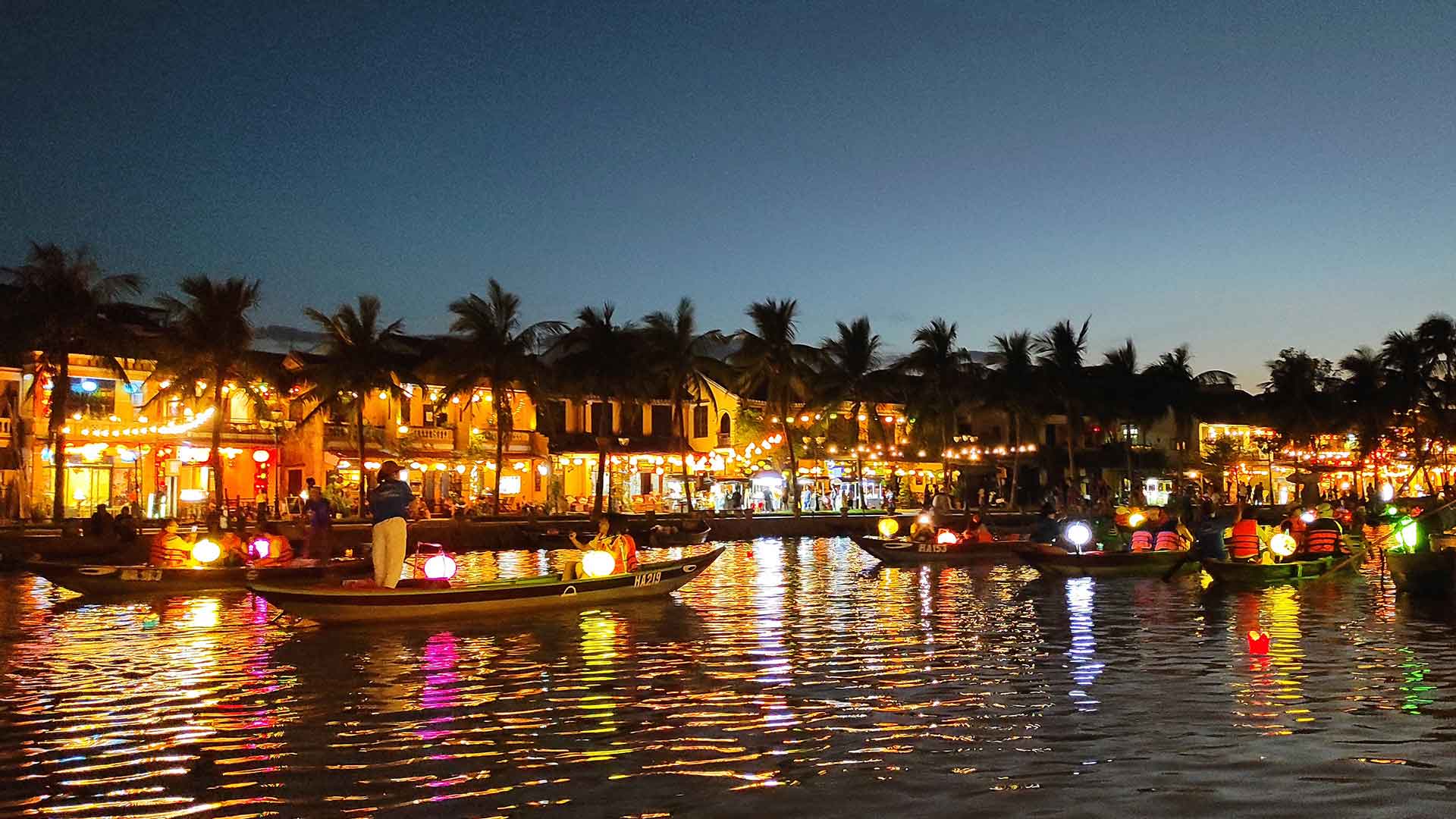
Silken Light: A landing place of vibrant colours and tranquil charm, Hoi An reflects the soul of Vietnam
There’s something quietly magical about Hoi An in December. As the year winds down, this ancient town on Vietnam’s central coast seems to breathe more deeply, its lantern-lit streets glowing with a gentle rhythm that invites reflection, exploration and wonder. While much of the world rushes toward the festive season in a blur of noise and neon, Hoi An offers a different kind of celebration rooted in tradition, serenity and the timeless beauty of cultural connection.
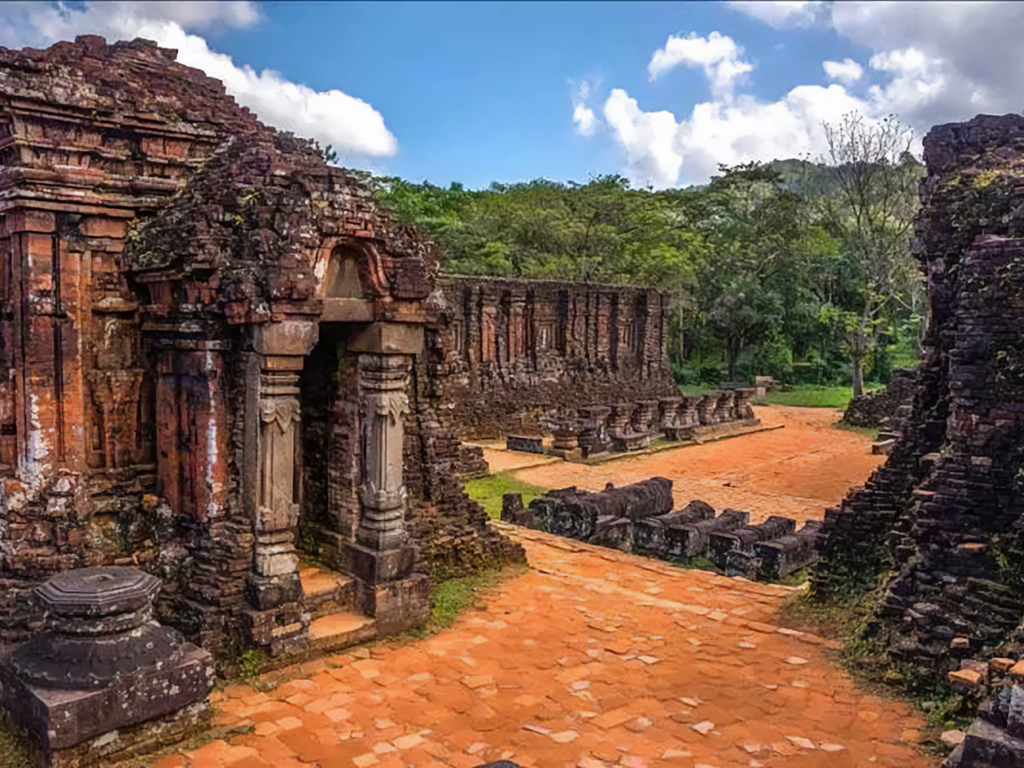
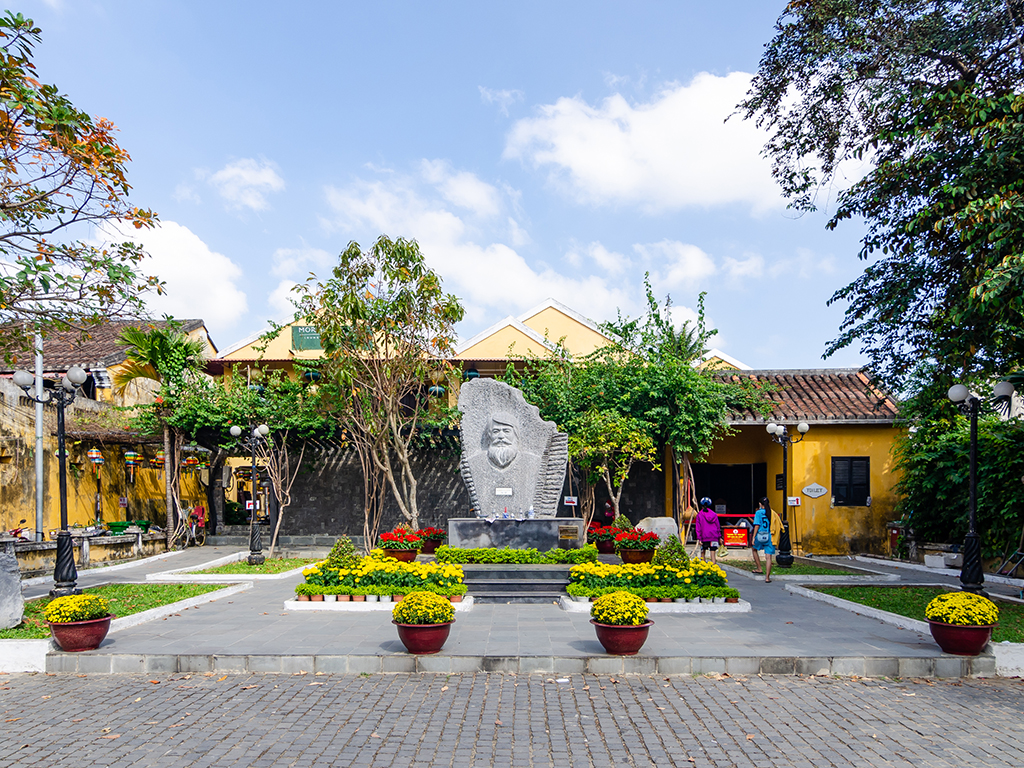
Stepping into Hoi An’s Old Town feels like entering a storybook. December brings cooler temperatures, typically ranging from 19 to 24°C, and a light drizzle that adds a romantic sheen to the cobblestones. The streets lined with mustard-yellow buildings, wooden shutters and flowering bougainvillea whisper tales of centuries past. The air carries a soft scent of incense and river mist, and the town’s pace slows just enough to let every detail shine.
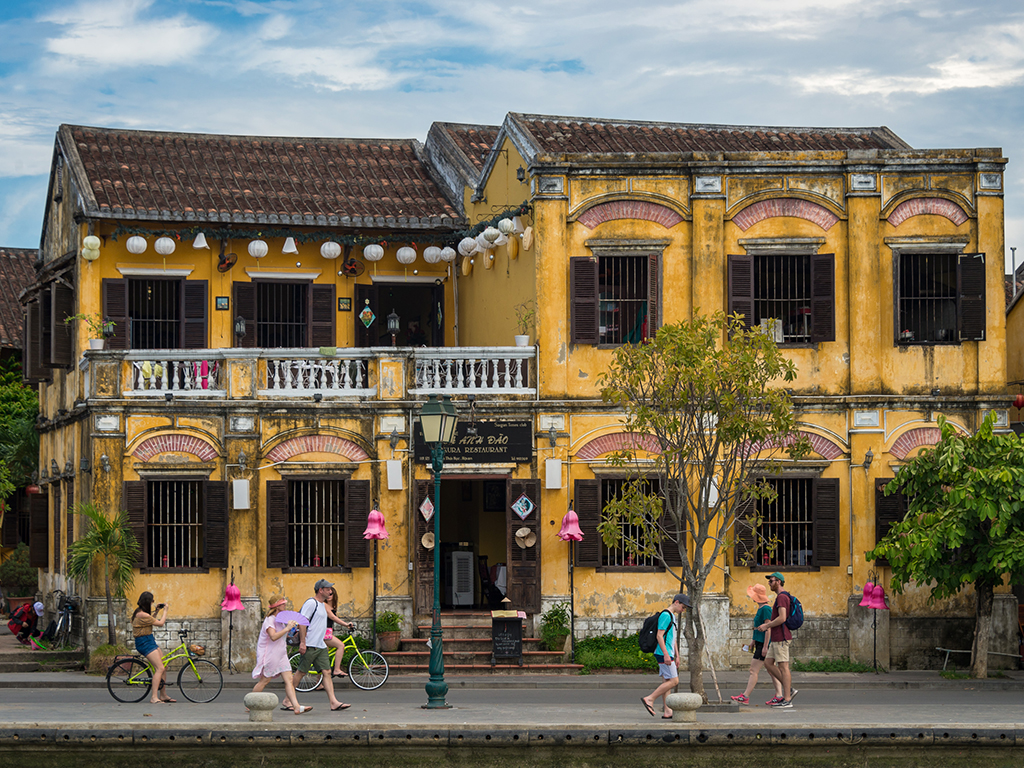
A Unesco World Heritage site, the Old Town is the heart of Hoi An. Its preserved architecture reflects a blend of Vietnamese, Chinese, Japanese and French influences, each corner revealing a new layer of history. December’s softer light makes the textures of the buildings, with their cracked plaster, carved wood and moss-covered tiles, feel even more vivid.
Floating Colours
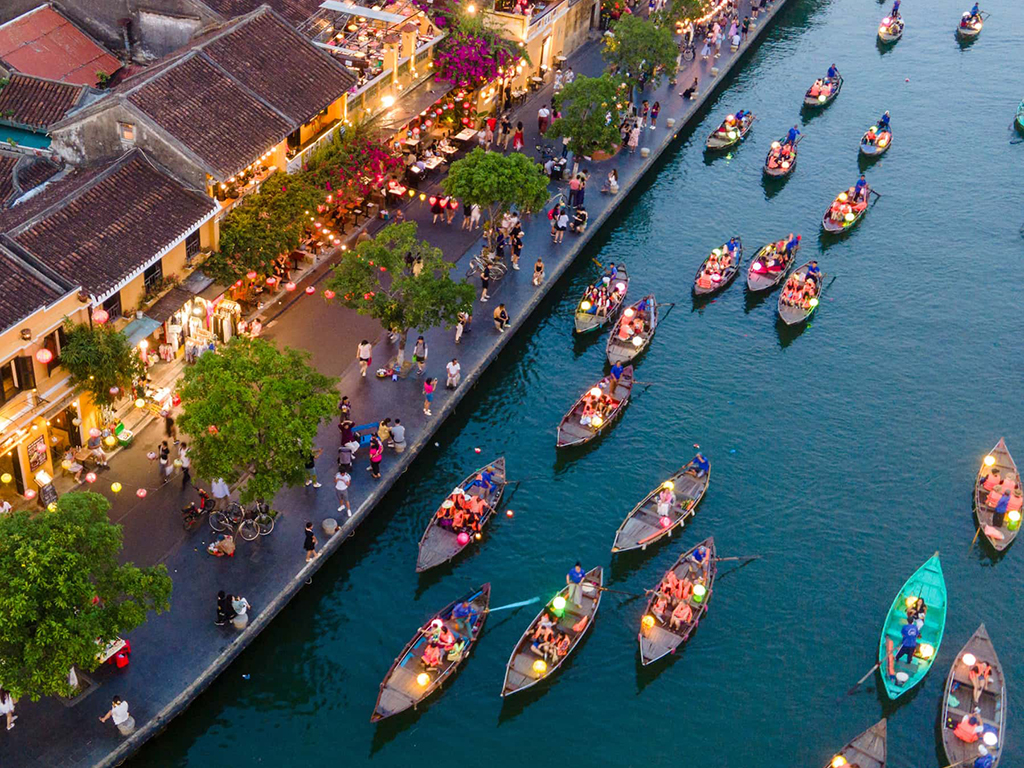
Hoi An is famous for its floating lanterns, and in December, they seem to glow with extra warmth. As dusk falls, the town transforms into a sea of colour – red, blue, green and gold swaying gently in the breeze. Made of silk or sometimes rice paper stretched across a bamboo frame, the lanterns aren’t just decoration; they’re symbols of hope, prosperity and peace. The Lantern Festival dazzles every full moon, and amid December’s fewer crowds, the experience feels more intimate.
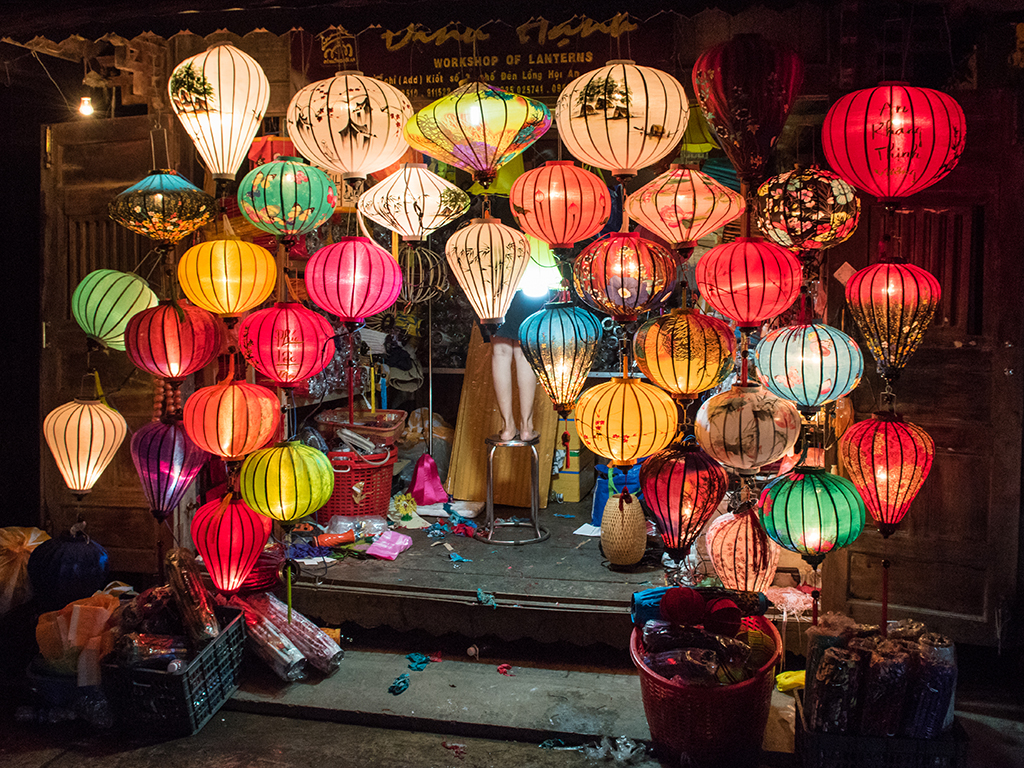
Visitors can take part in lantern-making workshops, learning how silk and bamboo come together in delicate harmony. Crafting a lantern by hand, choosing its colours and shape, and lighting it with intention becomes a meditative act. At night, releasing a floating lantern onto the river – accompanied by a whispered wish – is a moment of quiet magic. The reflection of hundreds of glowing lanterns on the water creates a dreamlike scene that lingers long in the memory.
Bridge to Cultures
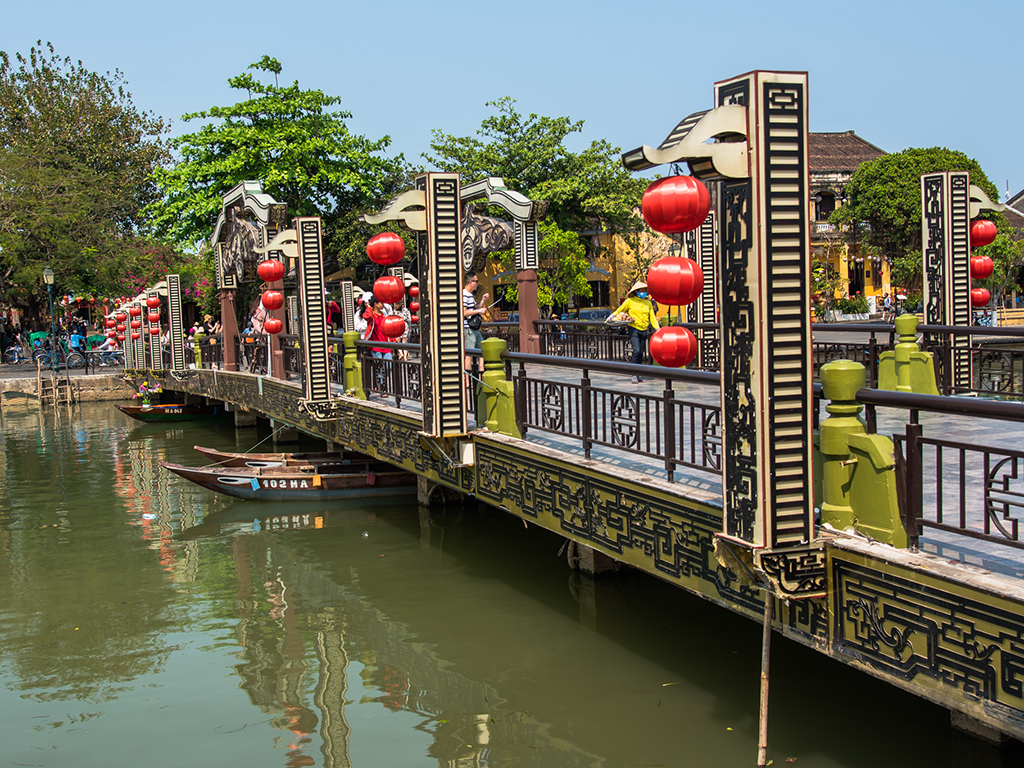
Hoi An’s soul lies in its stories. December is an ideal time to explore its cultural landmarks with depth and calm. The Japanese Covered Bridge, built in the late 16th century, stands as a symbol of unity and resilience. Its weathered stone and intricate carvings speak of centuries of connection between merchants and communities.
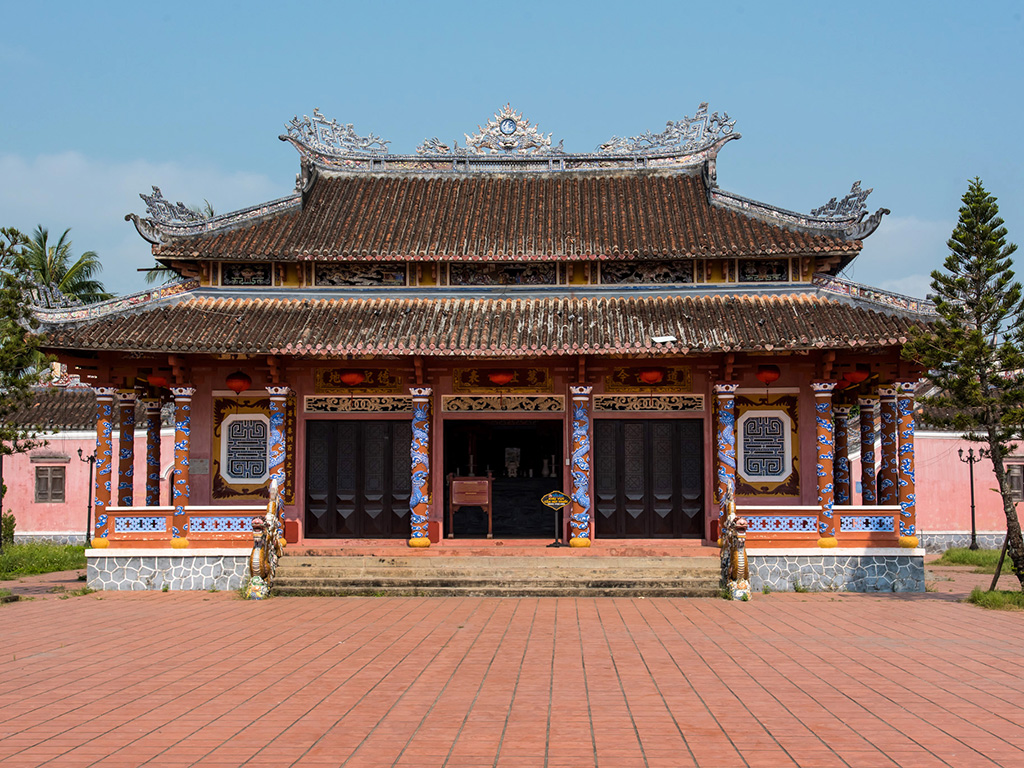
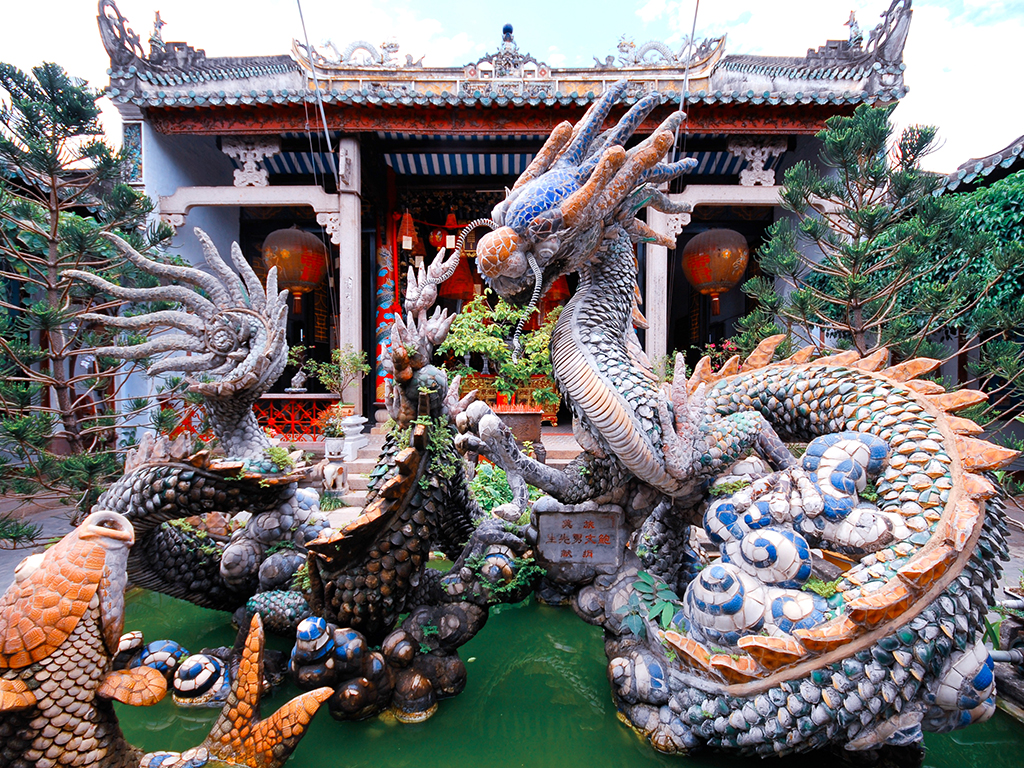
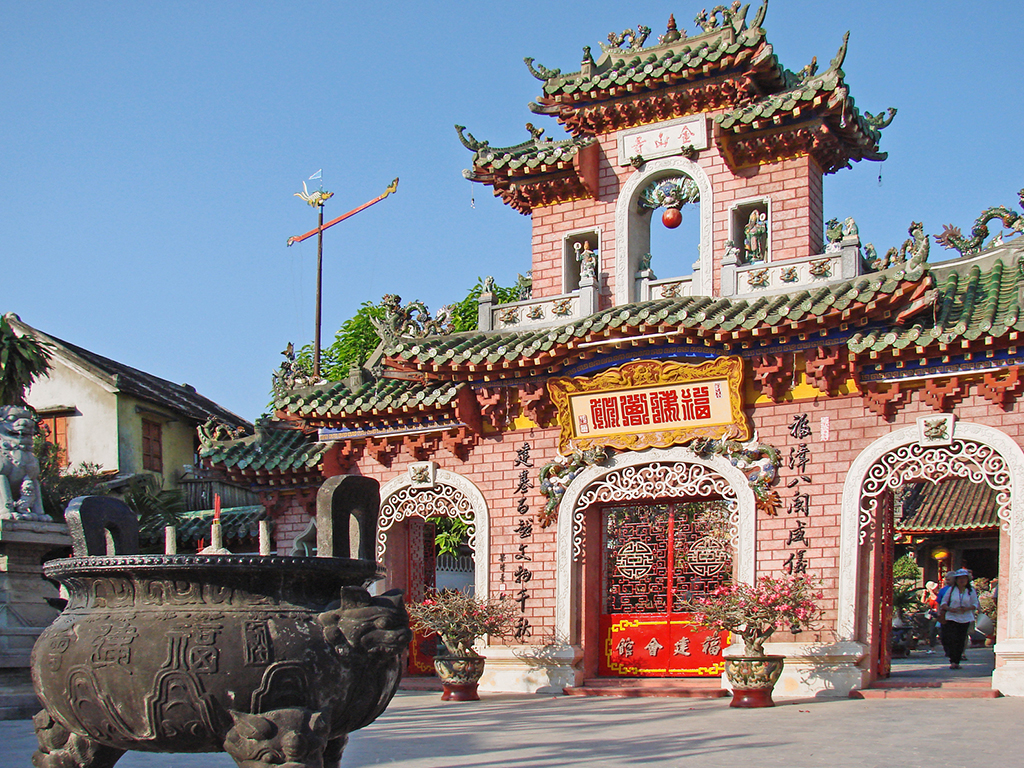
Nearby, the Fujian and Cantonese Assembly Halls offer glimpses into the spiritual and social lives of Hoi An’s Chinese settlers. Incense coils hang from the ceilings, slowly burning as prayers rise. Traditional clothing, tools and other artefacts showcased at the Museums of Folk Culture and Trade Ceramics spotlight the settlement’s role as a bustling port. The silence of the galleries, broken only by the soft shuffle of footsteps, invites contemplation.
Craft Pleasures
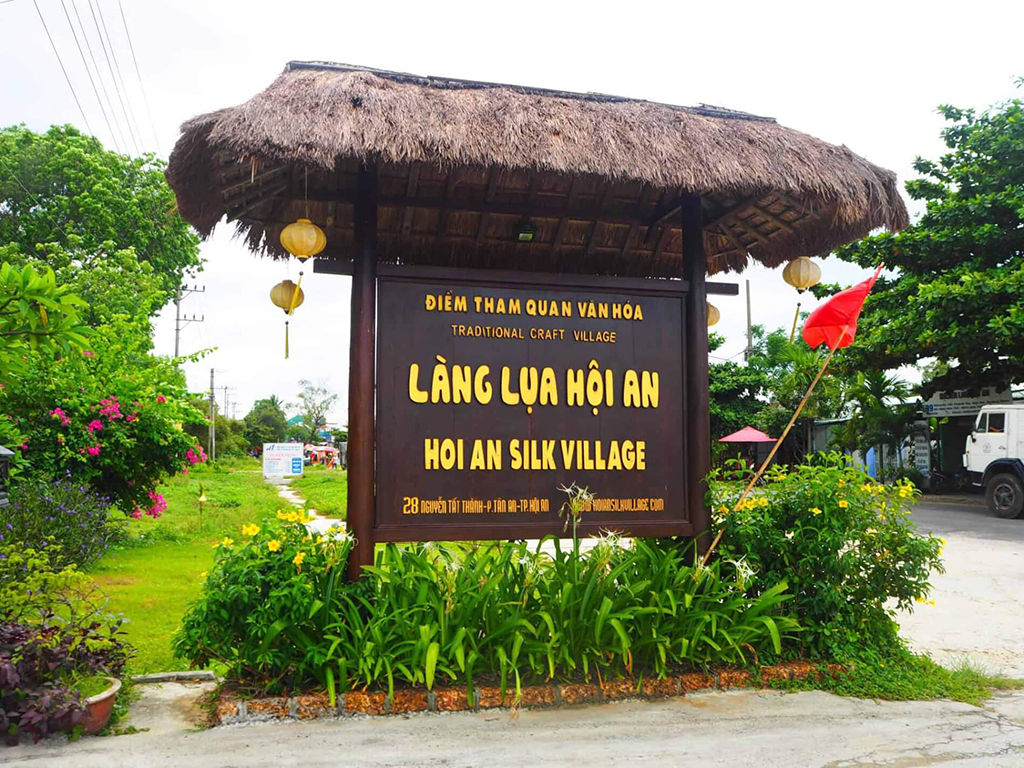
Hoi An is a town of artisans. In workshops and studios, silk weavers, woodcarvers and painters continue traditions passed down through generations, and lanterns, lacquerware and calligraphy are just a few of the treasures found in the markets and boutiques. Watching a tailor measure fabric, a carver shape wood, or a painter mix pigments is like witnessing poetry in motion.
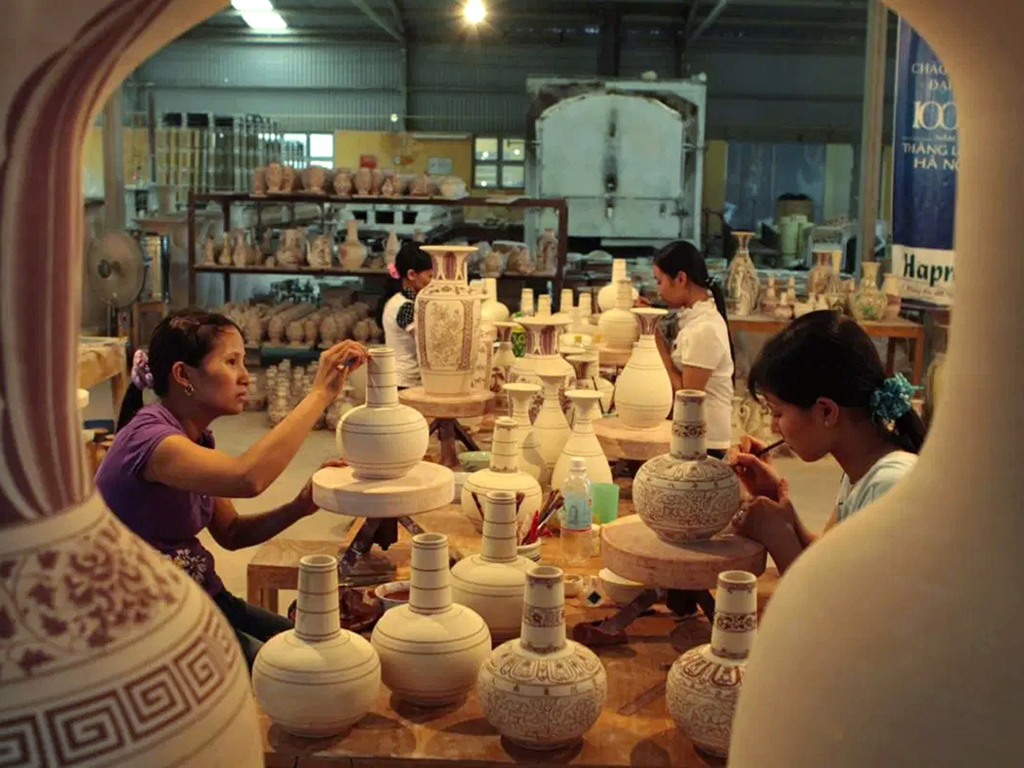
Visitors can make tangible memories by trying their hand at traditional crafts like embroidery, pottery and paper cutting. The process of creating something with one’s own hands, guided by a master artisan, becomes a moment of connection.
Nature’s Bounty
Beyond the town, Hoi An’s natural beauty unfolds in gentle layers. December’s mild climate makes it ideal for cycling through the countryside. Paths wind through rice paddies, water coconut forests, and small villages where children wave.
Tra Que Vegetable Village offers a glimpse into organic farming and traditional medicine. Visitors can walk among rows of mint, basil and lemongrass, learning how each plant is used in cooking and healing. Foot baths with herbal infusions and gentle massages provide moments of deep relaxation.
Sparkling Water
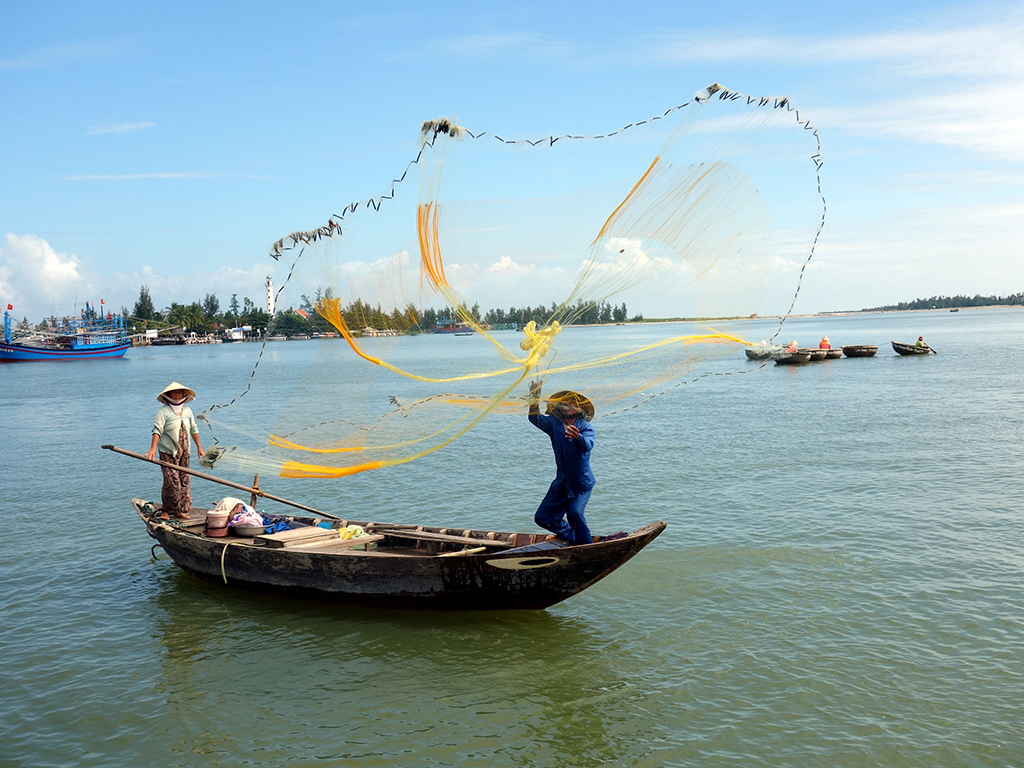
The Thu Bon River, which winds gently through the town, is central to Hoi An’s identity. In December, its calm waters reflect the lanterns and skies, creating a mirror of serenity. Boat rides at sunset, accompanied by soft music or quiet conversation, become meditative journeys. The river mirrors the rhythm of life – unhurried and full of quiet beauty.
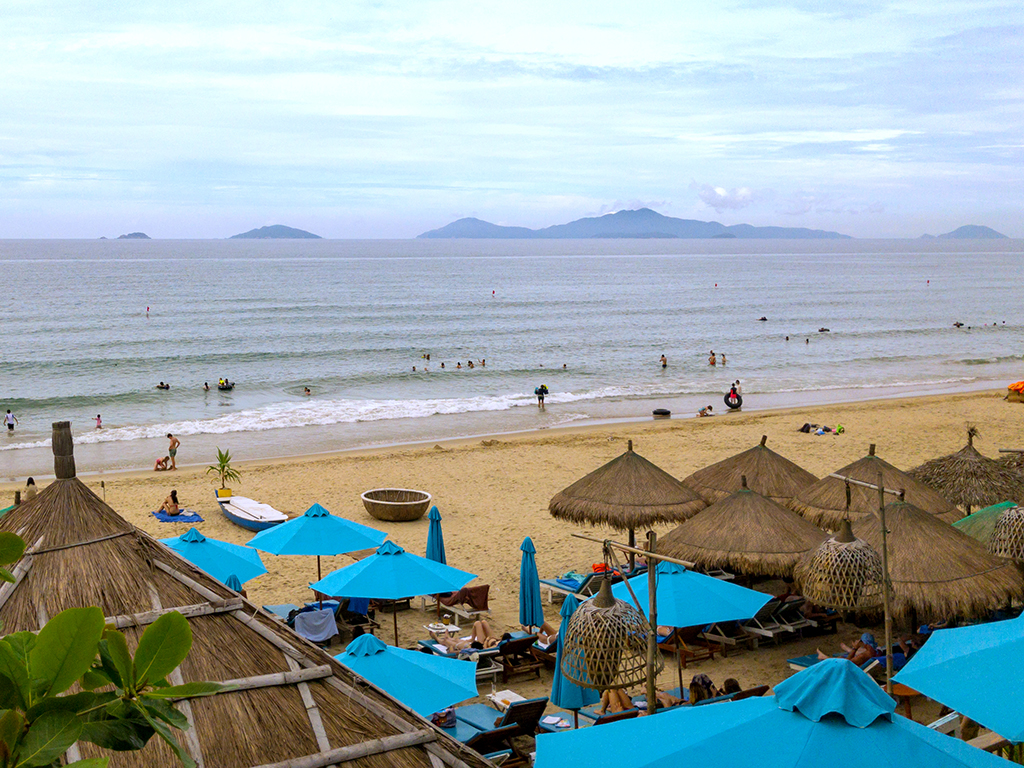
Nearby beaches, though quieter in winter, offer peaceful walks, seashell collecting, and the soothing sound of waves. The sea breeze carries stories from afar, reminding visitors of Hoi An’s maritime past. The contrast between the town’s historic charm and the natural openness of its surroundings creates a balanced experience.
Street Sustenance
Eating out is a revelation. Cao lau, a noodle dish of pork and fresh greens, is unique to Hoi An. Made with water from ancient wells, it’s earthy, chewy and deeply satisfying. White rose dumplings – translucent rice-paper parcels filled with shrimp and topped with crispy shallots – are another local speciality. The Vietnamese baguette of banh mi takes on new life here, with local bakers adding their own twist with homemade pâté, pickled vegetables and chilli sauce.
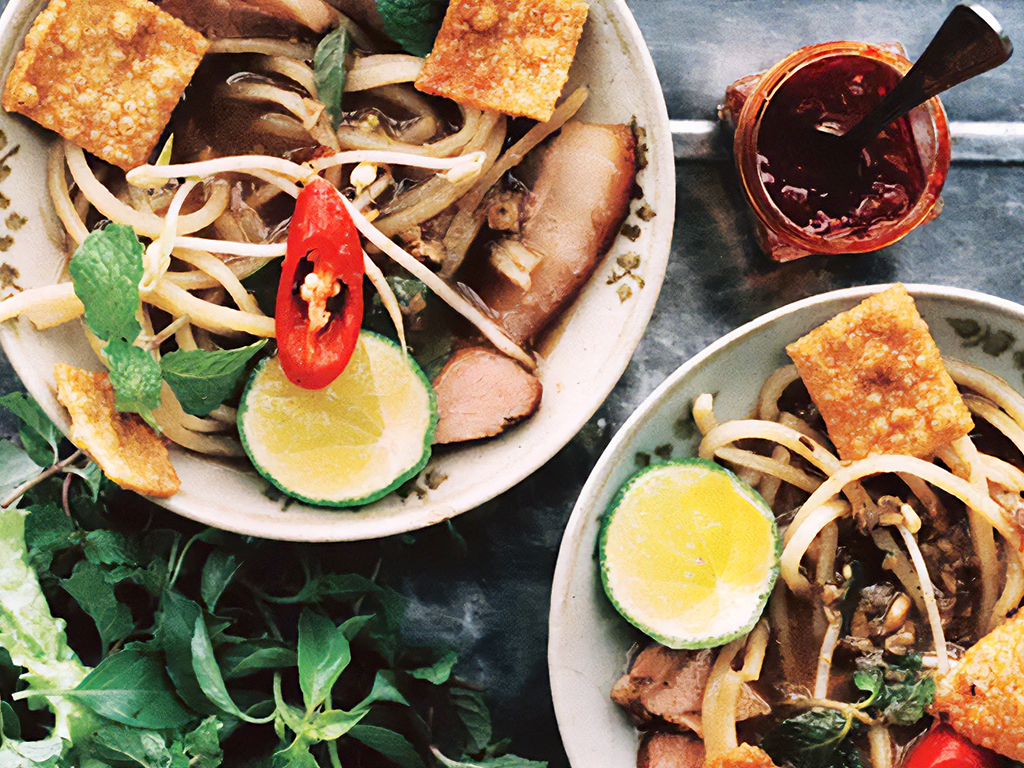
Street food stalls offer steaming bowls of pho, grilled skewers and sweet treats like coconut pancakes and sesame balls. Sitting on a small stool, surrounded by locals, sharing a meal under the lanterns: this is Hoi An at its most authentic. The flavours are bold yet balanced, and every bite tells a story of heritage and innovation.
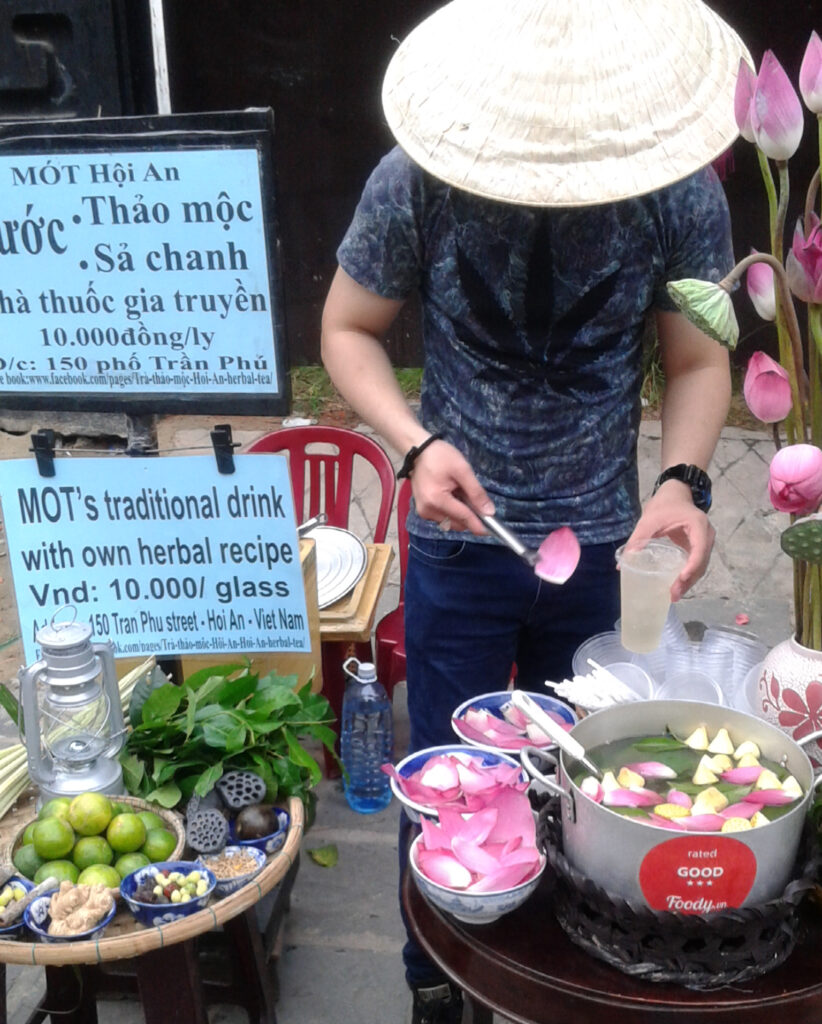
Cooking classes are popular, especially in December when the markets are full of fresh herbs, leafy vegetables and tropical fruits. Learning to make spring rolls, dipping sauces and noodle dishes becomes a joyful hands-on experience. The rituals essential for Vietnamese dining –chopping lemongrass, grinding peanuts, wrapping rice paper – connect visitors to the land and its rhythms.
Peaceful Spirit
Hoi An’s spiritual life is subtle but profound. Temples and pagodas dot the town, each with its own energy. Many locals visit these sacred spaces in December to offer prayers, light incense and prepare for the Lunar New Year ahead. Visitors are welcome to join, observing or participating with respect. Meditation sessions and tea ceremonies are offered in various cultural centres. These practices, rooted in Vietnamese tradition, help travellers slow down, breathe and truly arrive.
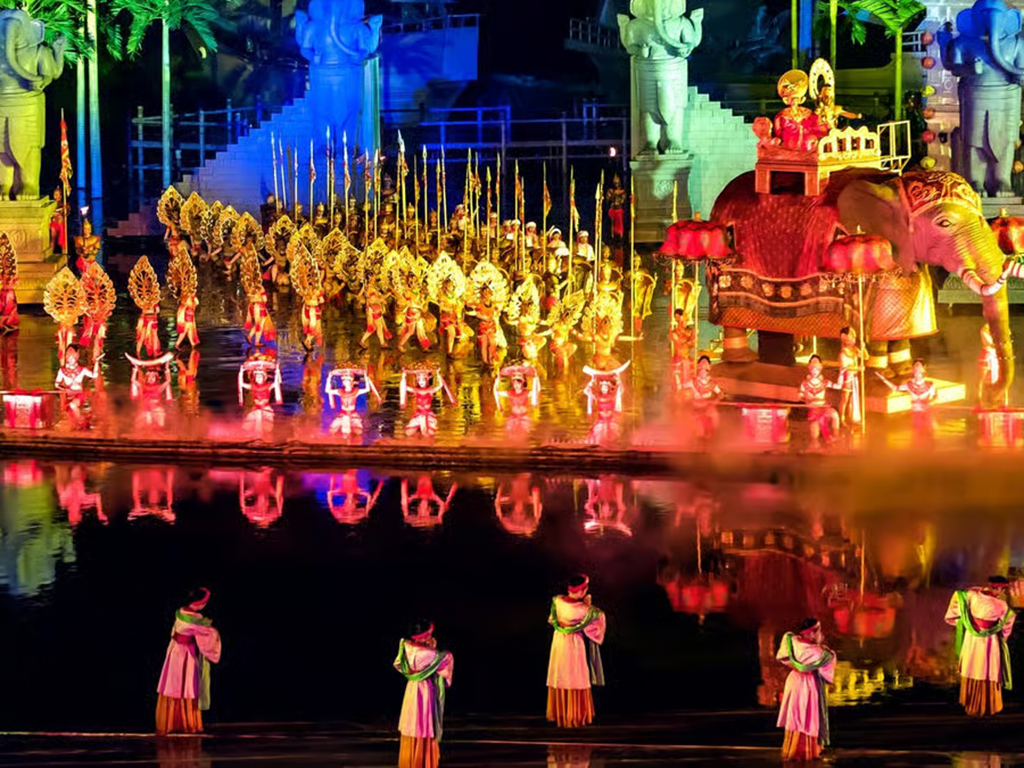
While Christmas isn’t widely celebrated in Vietnam, Hoi An embraces the season with charm. Shops and cafés are decorated with lights, and festive music plays softly in the background. Expats and locals gather for holiday dinners, cultural performances and year-end celebrations. New Year’s Eve here is gentle and heartfelt. Rather than loud parties, there are candlelit dinners, riverside reflections and quiet countdowns. The emphasis is on gratitude, intention and community.
For those seeking a place to end the year with meaning, to begin anew with clarity, Hoi An is a gentle guide. It teaches through its silence, heals through its beauty, and celebrates through its light. The town’s beauty isn’t just in its architecture or cuisine, but in its rhythm. The way the lanterns sway, the river flows, the people smile – it all speaks of balance, harmony and grace.